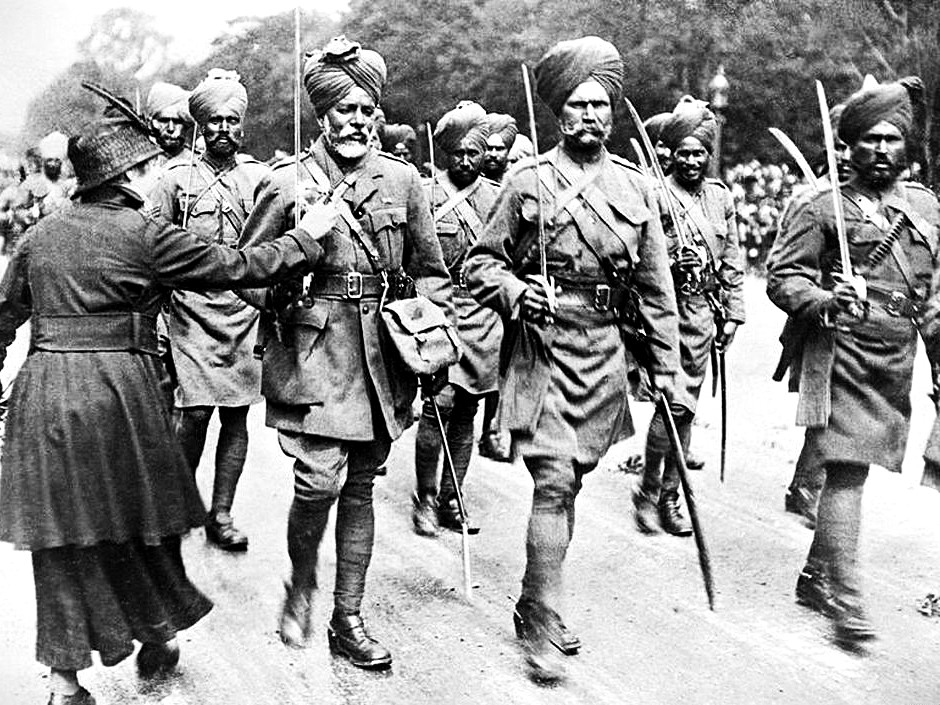
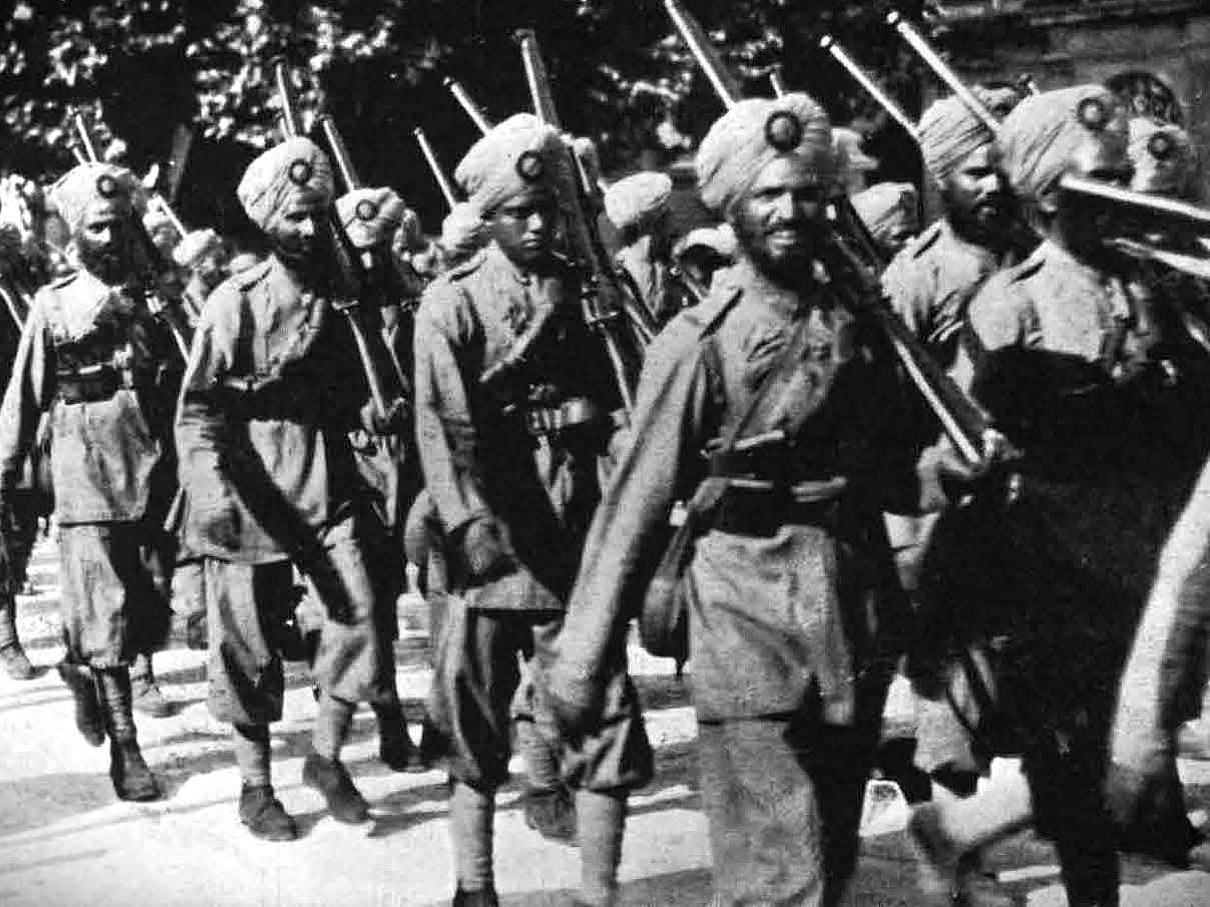
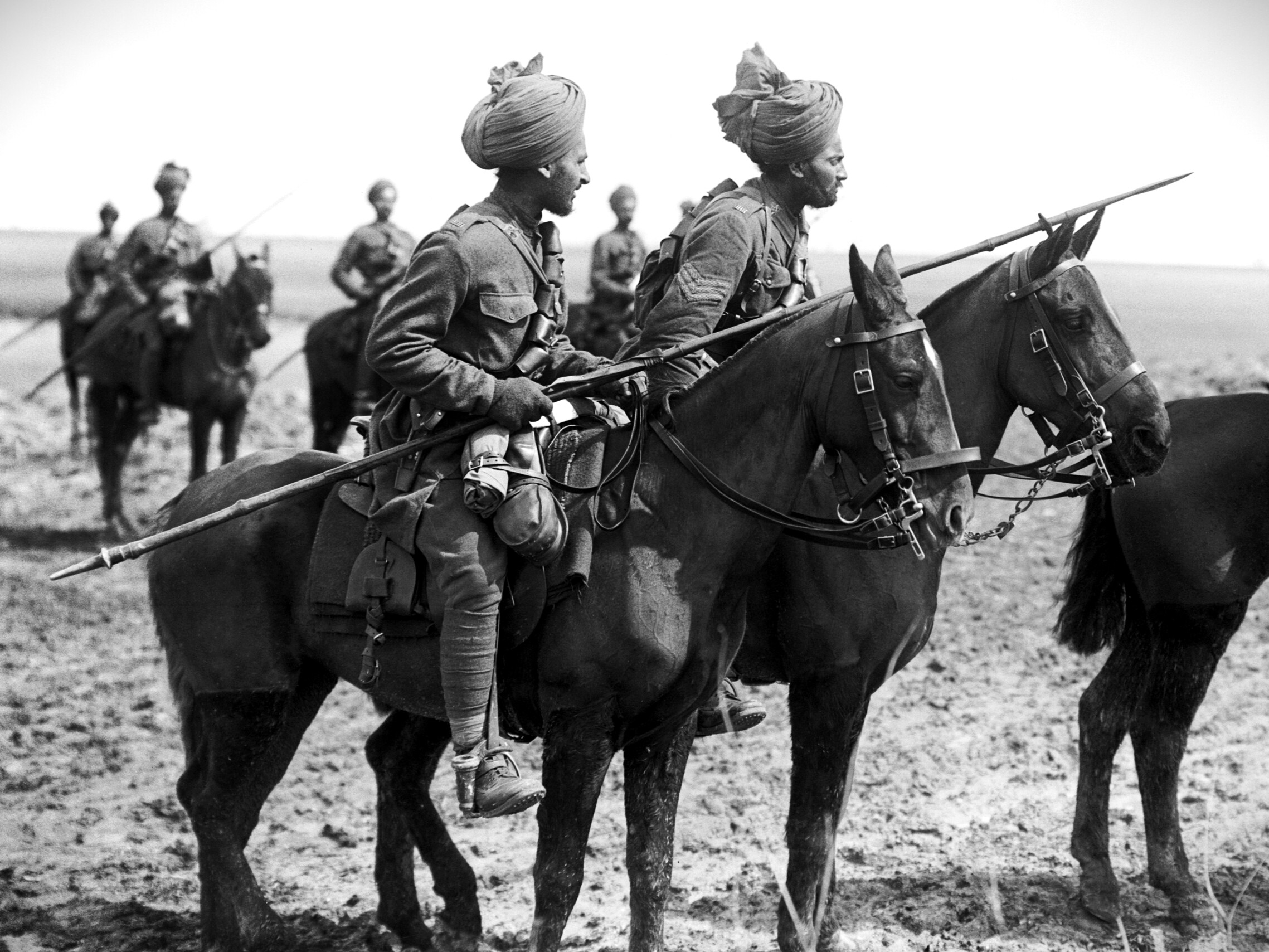
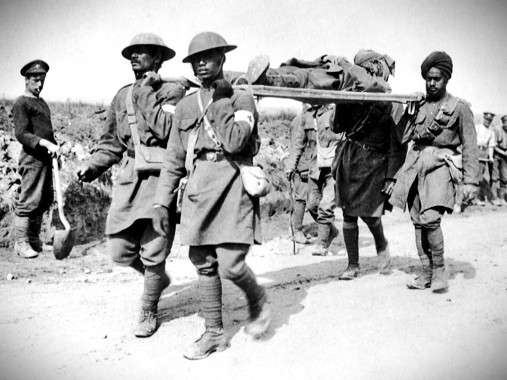
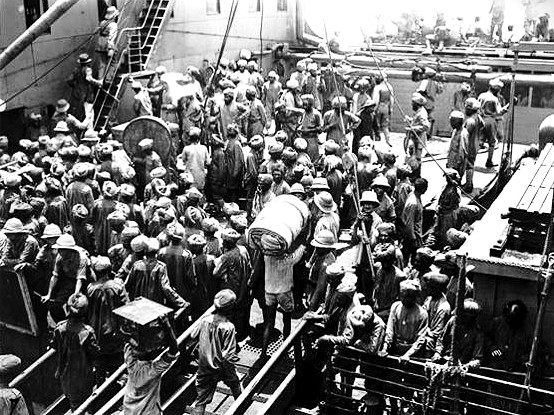
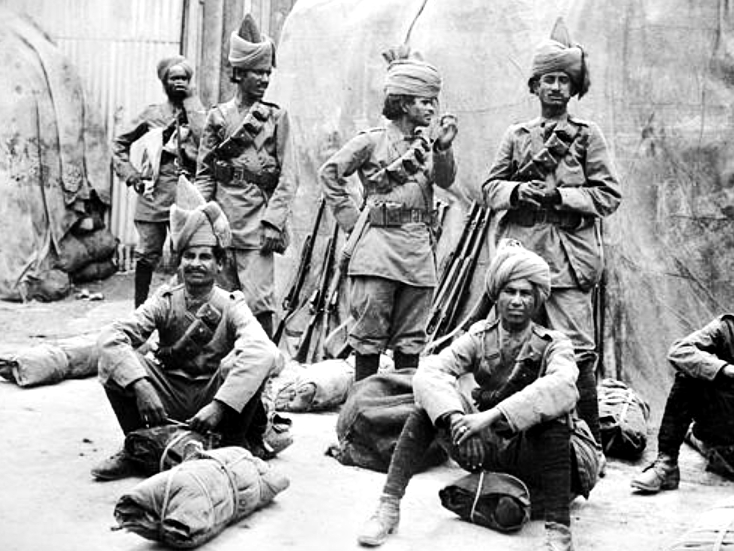
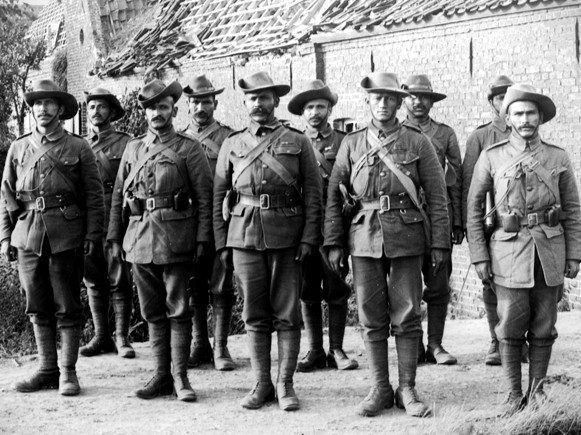
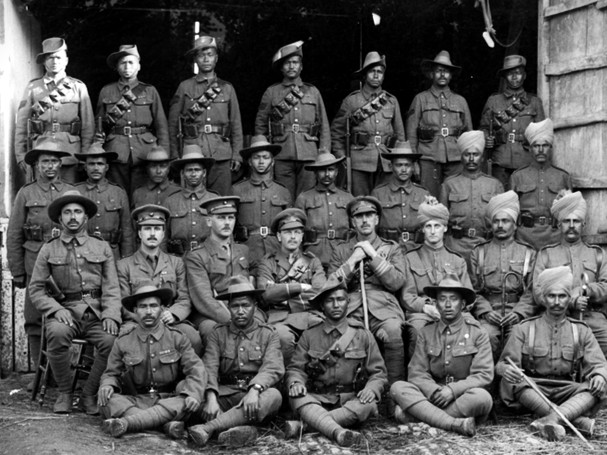
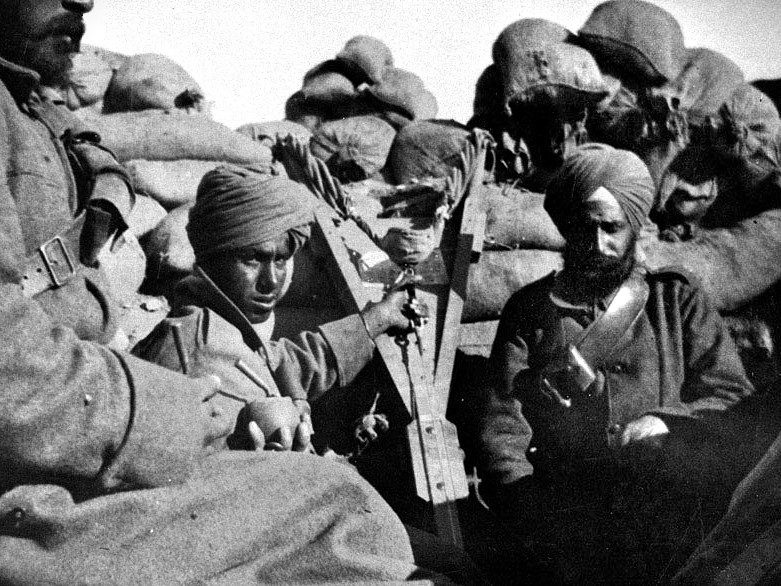
Indian Army Corps soldiers in World War I faced immense challenges, fighting in
unfamiliar European lands from 1914 to 1916. They endured freezing winters without adequate training
or
proper uniforms until early 1915, as well as piecemeal deployments, language barriers with allied
troops, and the horrors of artillery shelling and gas attacks.
Despite being in unfamiliar land, facing an unknown enemy, and fighting for a cause
not
their own, they served with honour for their country and regiments, embodying the spirit of
"izzat"
or honour.
- Major Gordon Corrigan
"Izzat" was a crucial motivator for Indian soldiers in World War I, driving them
through adversity. More than just honor, it encompassed external factors such as rank, medals,
wealth,
and land, as well as internal values like self-respect, duty, and pride. Deeply ingrained in
personal,
community, and regimental life, izzat shaped countless wartime experiences.
Despite their bravery, these heroes remained largely unrecognized after the war,
neglected by the British Empire they served and overlooked by their homeland. Their sacrifices were
further diminished when the British broke their insincere promise of self-rule for India, leaving
their
contributions to the war effort undervalued.